

Conference Details
This conference aims to delve deeper into the intersectionality discourse by exploring it through the existential lens. Existential philosophy holds a unique perspective that emphasizes the subjective experience of human existence, wrestles with questions of meaning, authenticity, freedom, and responsibility. By examining intersectionality through an existential lens, we seek to shed light on how the convergence of identities influences individual’s perceptions of themselves, their relationships with others, and their place in the world and how these change over time. We are hoping to engage in profound discussions on the intricate connection between intersectionality and the existential dimensions of human existence.
Intersectionality, a concept introduced by legal scholar Kimberlé Crenshaw, recognizes that individuals are not defined solely by a single aspect of their identity but are shaped by the convergence of various social categories such as race, gender, class, sexuality, and more. This framework acknowledges the complex interplay between these identities and the ways in which they interact, impacting an individual’s experiences, opportunities, and challenges.
Throughout this conference, we will bring together scholars, researchers, activists, and practitioners from diverse fields and backgrounds to engage in critical conversations. Our panellists and keynote speakers will share their expertise, providing insightful perspectives on the impact of intersectionality on different stages of life, from childhood and adolescence to adulthood and old age.
Together, we will explore the ways in which intersectionality interrelates with existential themes such as identity formation, selfhood, authenticity, freedom of choice, social justice, and ethical responsibility. Through thought-provoking presentations, interactive workshops, and engaging discussions, we aim to foster a deeper understanding of the lived experiences of individuals at the intersections of multiple identities.
We hope that this conference will serve as a catalyst for generating innovative ideas, fostering collaborations, and inspiring action towards creating a more inclusive and equitable society. By illuminating the existential dimensions of intersectionality, we aim to challenge existing paradigms, raise awareness, and empower individuals to navigate the complexities of identity in an ever-changing world.
Course Content
Presenter
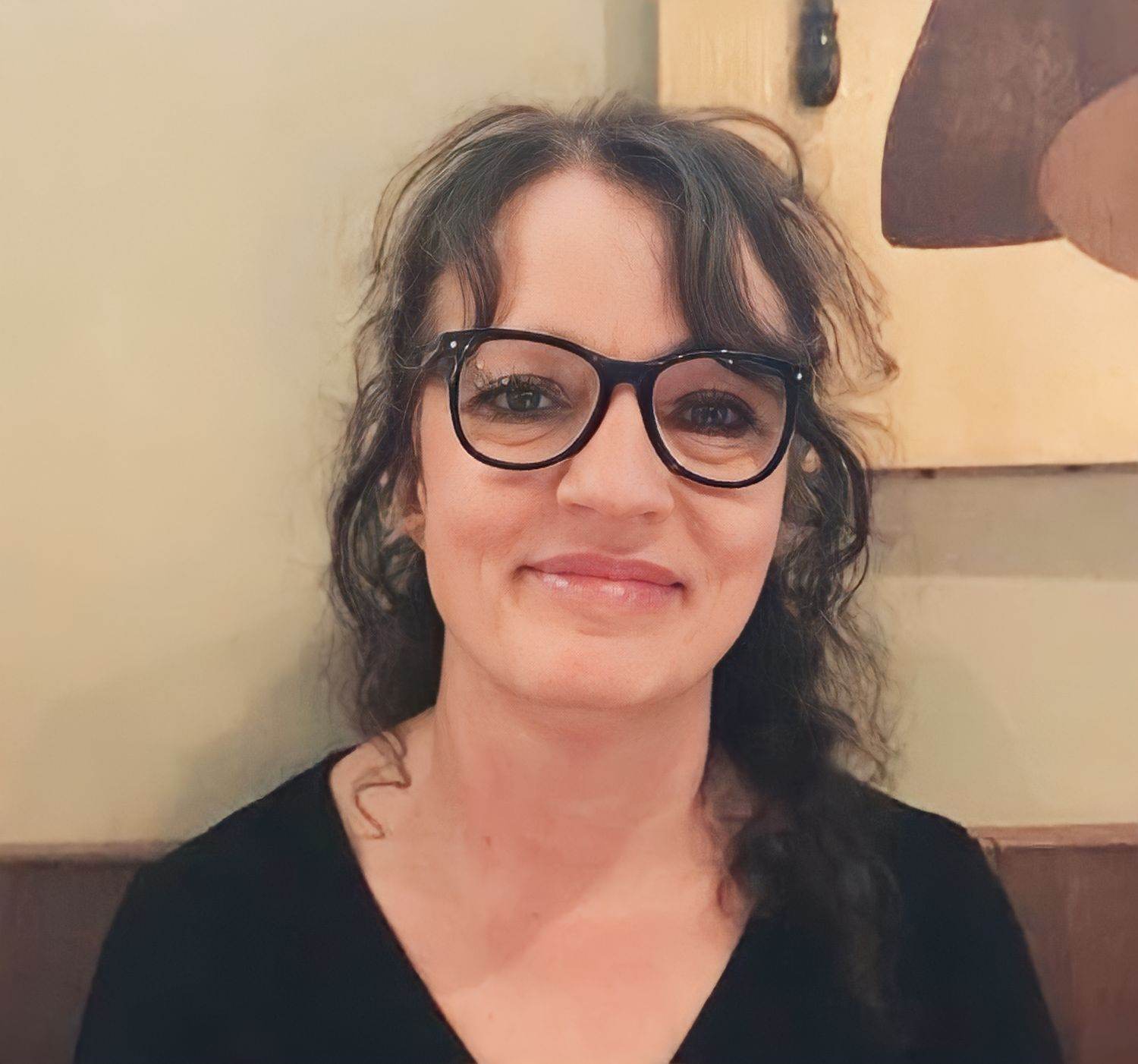
Aneesh is a seasoned trainer, therapist & supervisor, currently studying for her doctorate in psychological trauma. All Aneesh’s work is underpinned with both compassion and somatic-based practices which she sees as an integral part of a holistic understanding of ourselves. Aneesh is currently studying for her doctorate in Psychological Trauma and she holds a Masters in Trauma Informed Practice, and a PGC in Coaching. Aneesh co-produces the popular ‘Community Connections’ podcast, which introduces trauma and its many guises, without the fancy jargon.
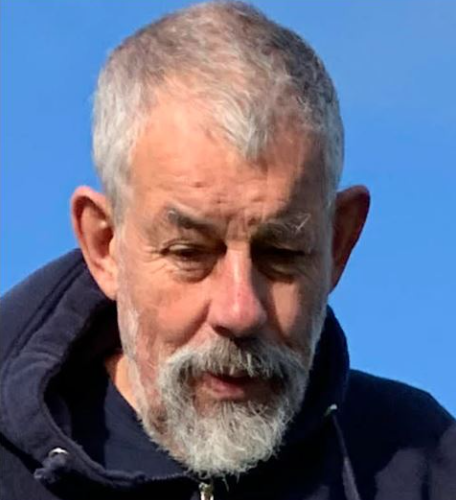
Digby worked in the NHS for nearly 40 years as a general psychiatrist and later a consultant psychotherapist. He began the first clinic in the world for the assessment of autistic adults in 1980. He is an existential psychotherapist and a group analyst. He is an Emeritus Professor of Psychiatry in the University of Sheffield; a Visiting Professor of Psychology at Middlesex University; and Deputy Principal of the New School of Psychotherapy in London, where He is course leader for the MA in Diversity Studies.
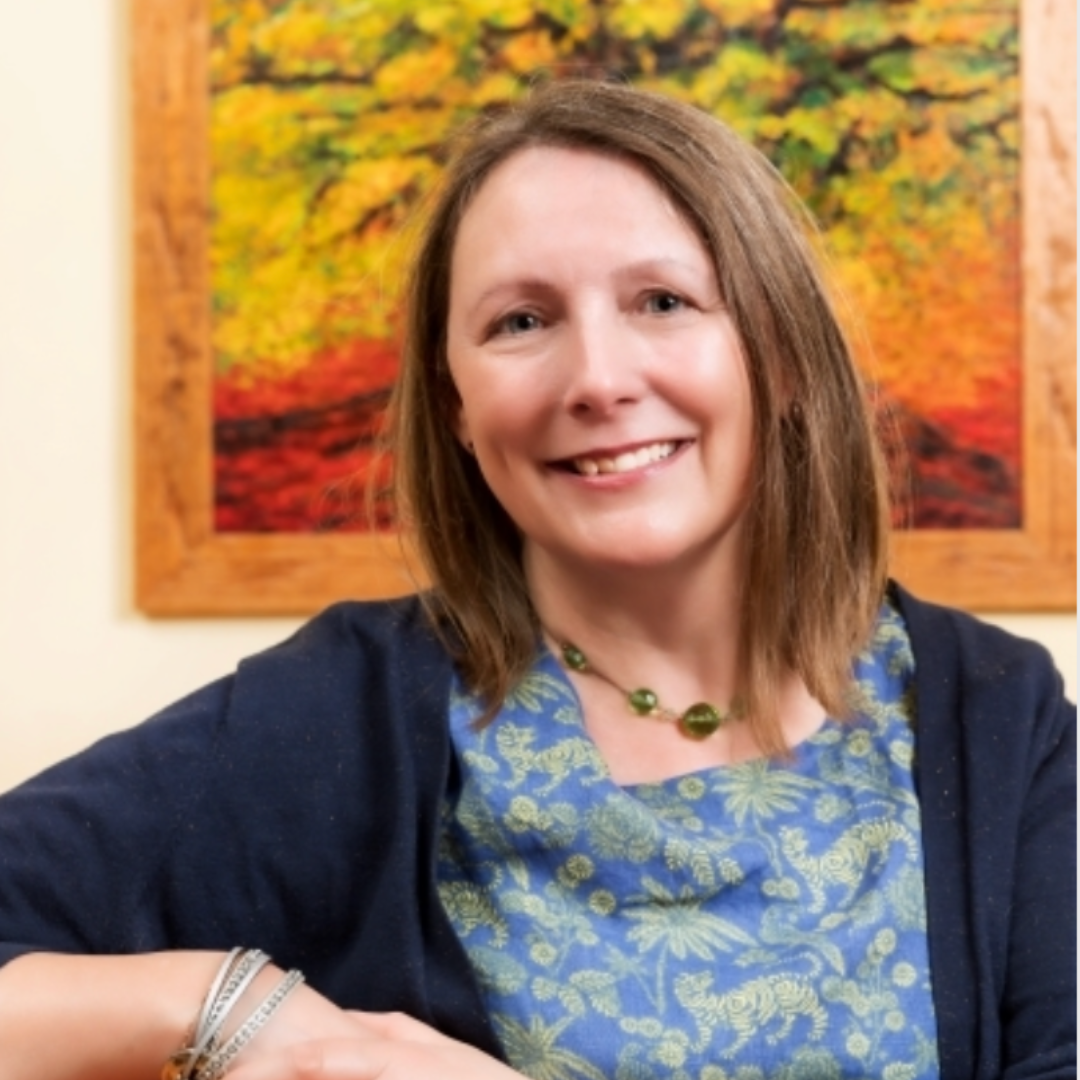
Dr. Claire Arnold-Baker, DCPsych (UK) is an existential counselling psychologist and psychotherapist, a lecturer, supervisor and researcher, as well as being the Principal and Course Leader of the DCPsych programme at NSPC. She has a small private practice where she specialises in working existentially with mothers and has a twin passion for maternal mental health and the natural world. Claire has co-authored and edited a number of existential books as well as authoring chapters and articles. She is also a trustee of the Federation of Existential Therapy in Europe (FETE).
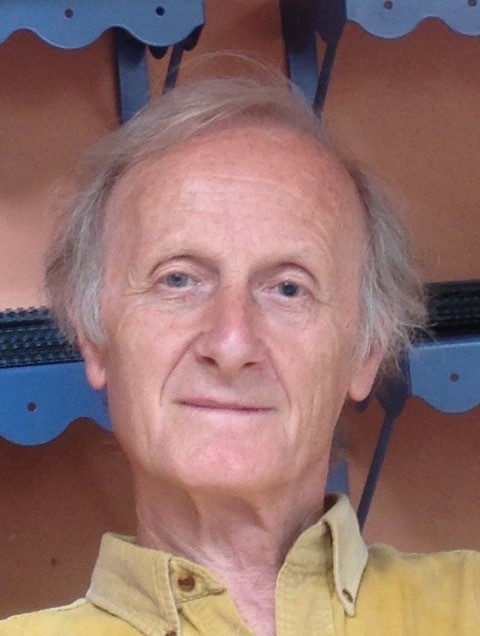
Dr Martin Adams (UK) is a psychotherapist, writer and sculptor. He is co-editor of the journal Existential Analysis. As well having written on a wide variety of subjects he is the author of A Concise Introduction to Existential Counselling (2013), An Existential Approach to Human Development (2019), and with E. van Deurzen, Skills in Existential Counselling & Psychotherapy (2016).
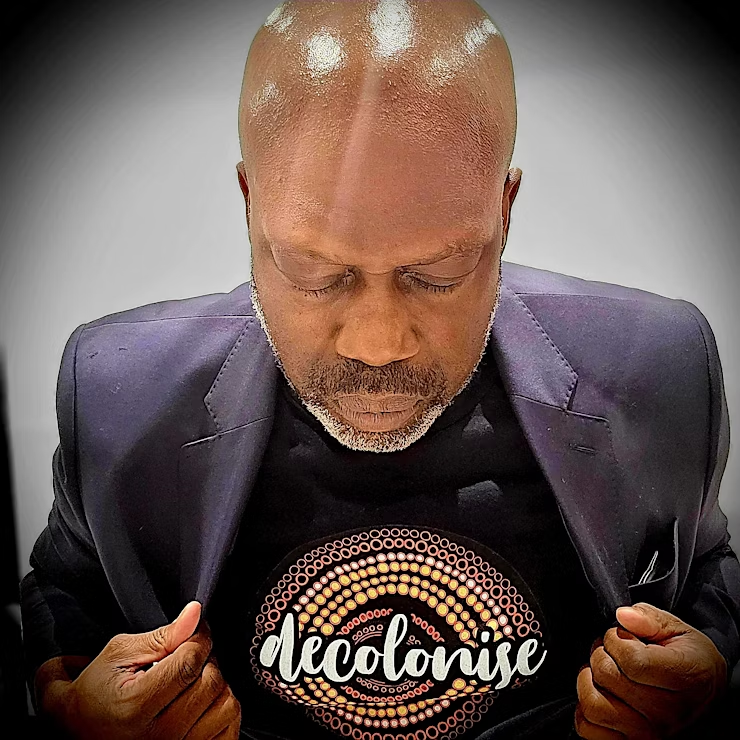
Dr Dwight Turner is Course Leader on the Humanistic Counselling and Psychotherapy Course at the University of Brighton, a PhD Supervisor at their Doctoral College, a psychotherapist and supervisor in private practice. His publications include The Psychology of Supremacy (2023), and Intersections of Privilege and Otherness in Counselling and Psychotherapy (2021), which are both published by Routledge, together with several chapters in anthologies on aspects of counselling and psychotherapy, and over 50 academic papers on everything from intersectionality in psychotherapy, to dreamwork, to Afrocentric spirituality. A leading driver in Intersectional Psychotherapy, Dr Turner is an experienced conference speaker, including numerous keynote presentations. Dr Turner has also run workshops for a wide variety of Universities, Charities, and private organisations on issues of race, difference and intersectionality in counselling and psychotherapy.
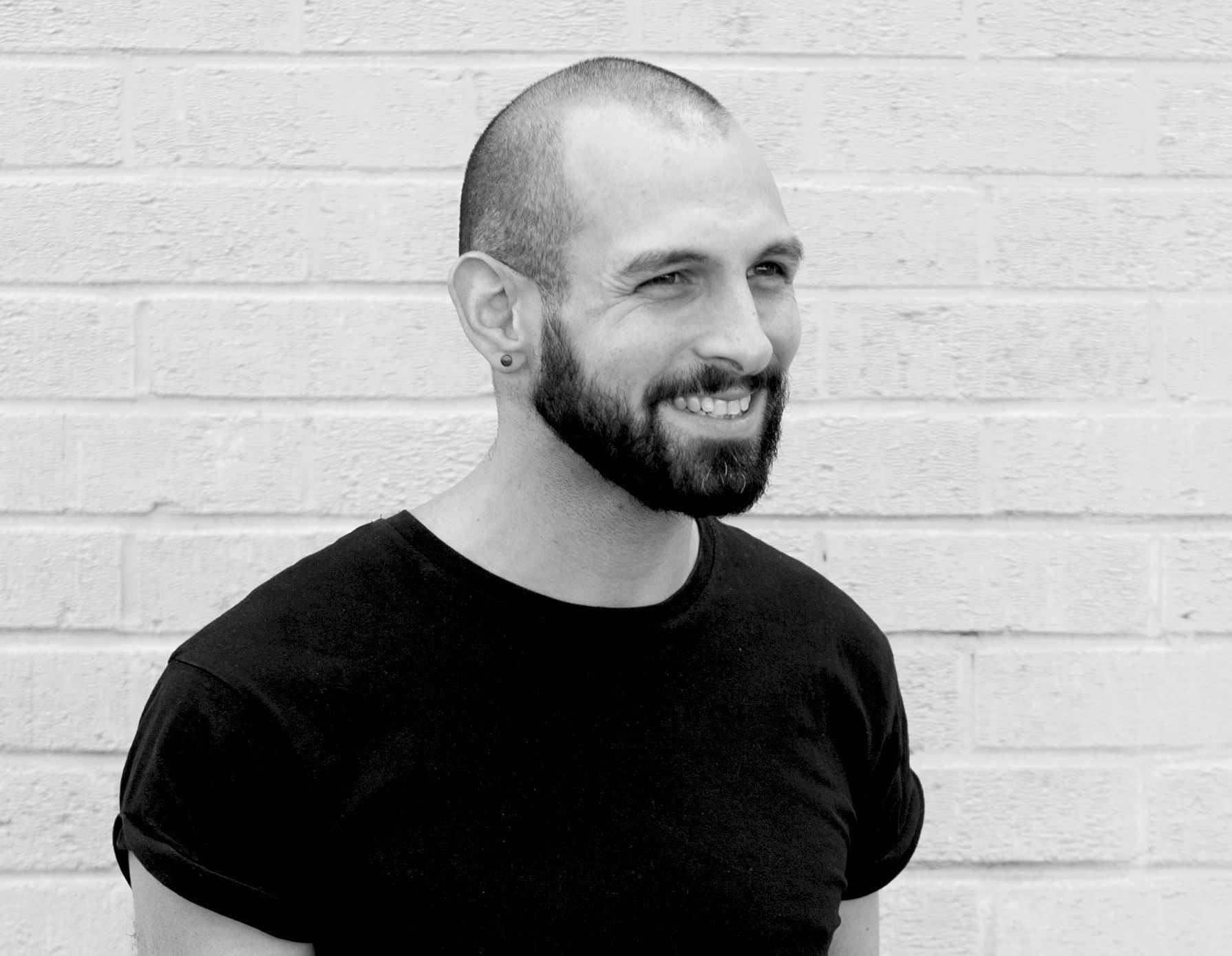
Marc Boaz is an existential psychotherapist, a visiting Professor of Mental Health and Psychotherapy at the University of Northampton, UK, a former member of the UK Trauma Council how’s by Anna Freud, and teaches Critical Psychopathology at the New School of Psychotherapy and Counselling (NSPC), UK. He is an author of works on interpersonal trauma, childhood adversity and neurodivergence.
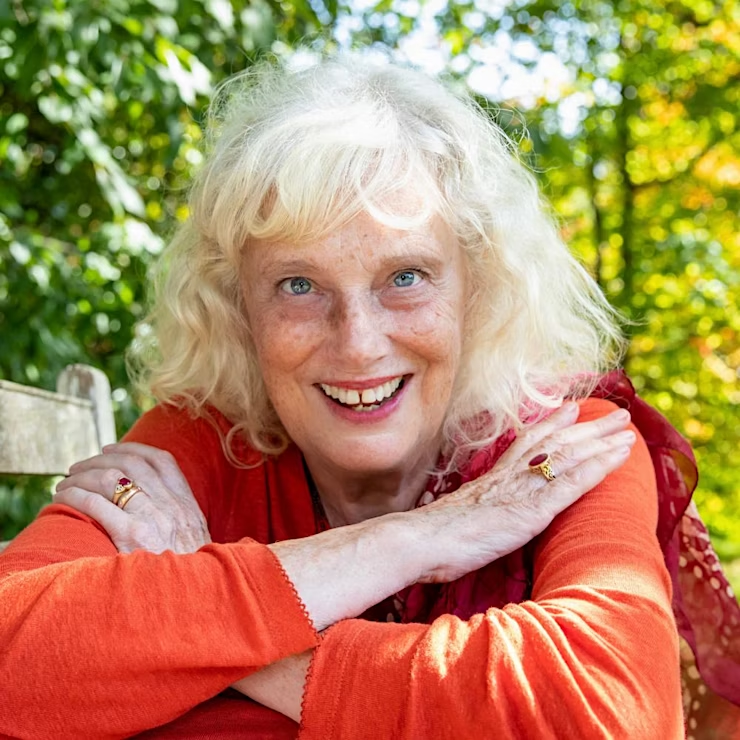
Emmy van Deurzen is a professor of Psychology and Psychotherapy with 18 books to her name, several of which have been translated into a dozen languages. She is the Co-Founder and Principal of the Existential Academy, where she also runs post graduate courses through the New School of Psychotherapy and Counselling in partnership with Middlesex University and her private practice.
Born and raised in the Netherlands, she lived, studied, and worked in France before settling in the UK in 1977. Emmy has been instrumental in founding or cofounding numerous organizations, including the Society for Existential Analysis, the Federation for Existential Therapy in Europe and the World Confederation of Existential Therapy. She has helped people in facing their life problems and suffering for nearly half a century.
Amongst her books are the bestsellers Existential Psychotherapy and Counselling in Practice (3d edition 2012), Psychotherapy and the Quest for Happiness (Sage, 2009), Everyday Mysteries (2nd edition Routledge, 2010) and Paradox and Passion (2nd edition, Wiley, 2015). Her book Rising from Existential Crisis was published with PCCS books in 2021. She is currently writing a book on Existential Freedom for Penguin.
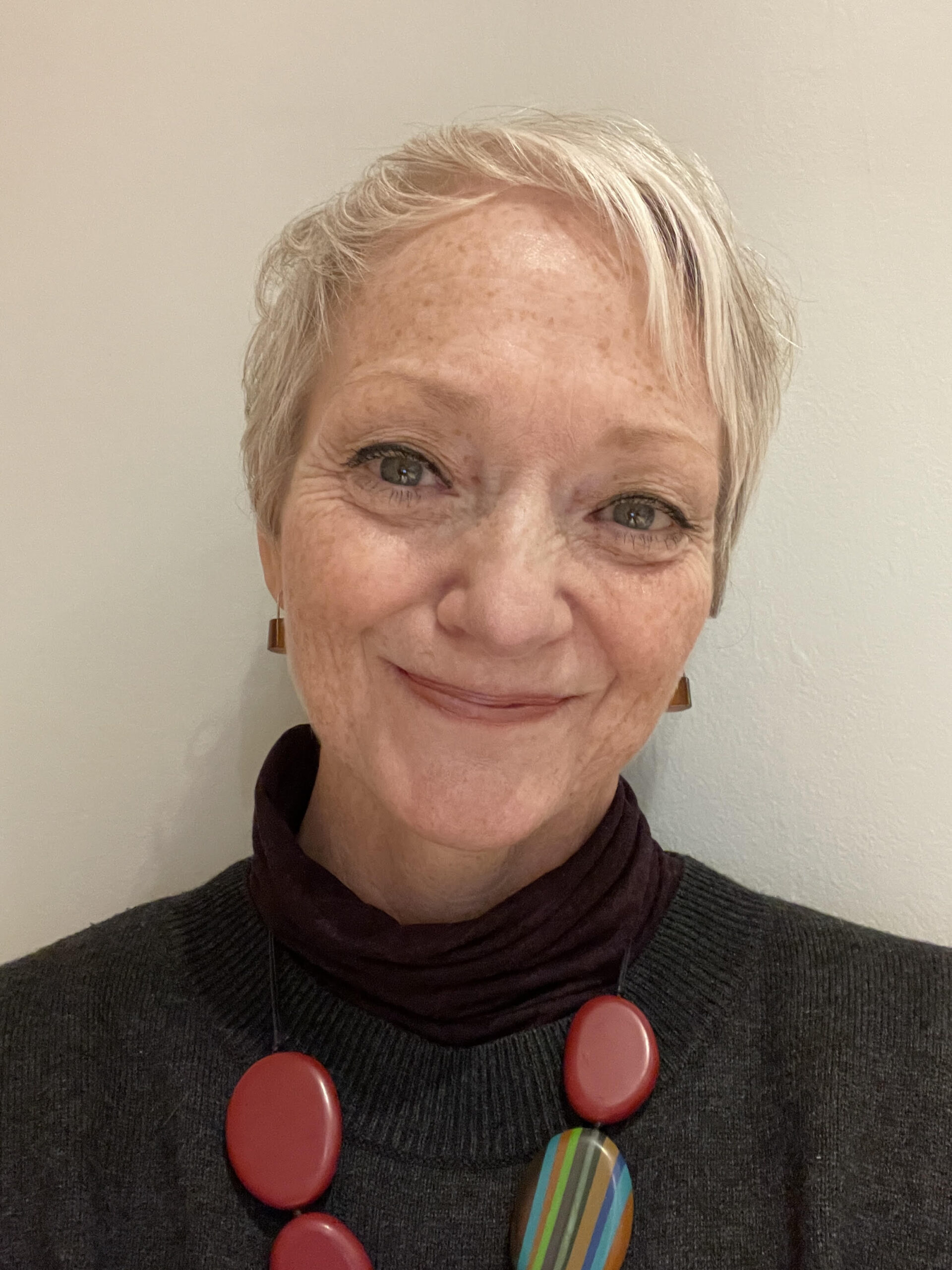
Stella Duffy is completing her third year of a doctorate training in Existential Psychotherapy at NSPC, her research is in the embodied experience of postmenopause. Alongside her private psychotherapy practice, Stella has worked in NHS cancer psychological support, and hospice bereavement support, currently working with a low-cost community mental health service. With fellow NSPC doctorate student Chris Cleave she runs workshops in existential writing for therapists. Alongside her therapy work, Stella is an award-winning writer of seventeen novels, over seventy short stories and fourteen plays and worked in theatre for over thirty-five years as an actor, director, facilitator and improvisor. She has been active in equalities and inclusion work in the arts, women’s and LGBTQ+ communities for many decades.