
International Conference on Pluralistic Counselling and Psychotherapy: ‘Applied Pluralistic Therapy: What are we doing in practice?’
Course Content
Presenter
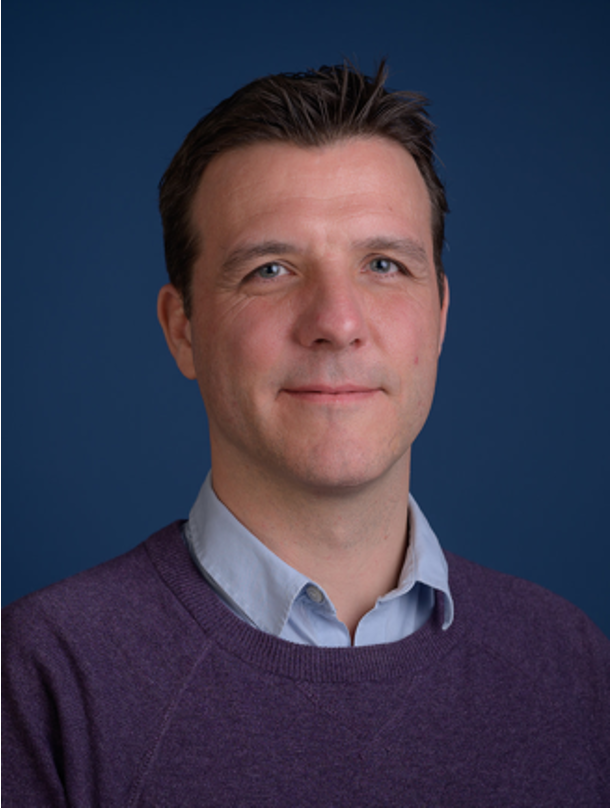
Aaron Sefi is Chief Product and Research Officer at Kooth, leading UK provider of digital mental health services for young people. He has been with the company for 14 years, as a counsellor, service manager and building out its research function. He is responsible for developing the evidence base and building research priorities to ensure our approach to digital mental health is robust and of the highest quality, and is now applying that to product development. Aaron is driven by aligning user needs and wants with an evidence base to ensure meaningful and valuable research and data is shared, understood and implemented. Managing product and research teams at Kooth, he is now implementing an innovative evidence based approach to product design and delivery.
He has published over 30 academic papers, has presented at numerous international conferences, and is innovating in digital mental health research for children and young people. He has also overseen the development of the world’s first single session measure for children and young people for digital mental health support.
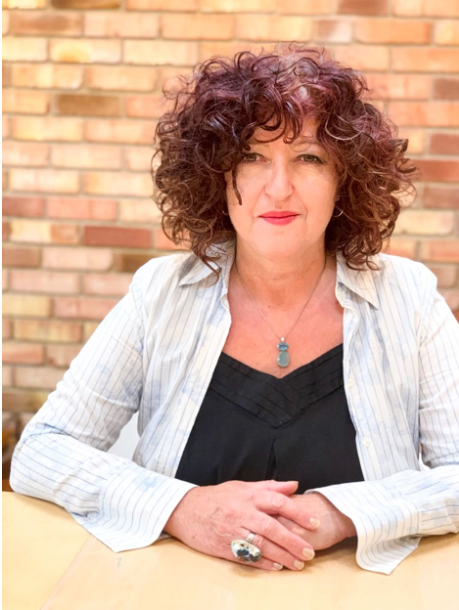
Ani is a psychotherapist, creative arts counsellor and supervisor who brings a person-centred and pluralistic philosophy to her work. She is passionate about creative approaches to therapy and training. She has over twenty years’ experience working with children, young people, adults and groups. Her experience includes working in schools, drug treatment programmes, probation services, offender programmes, EAP for Essex Police and Essex Fire Services, and she currently has a small private practice.
Ani is the founder of the Association for Person Centred Creative Arts where she is course director, and is also a senior lecturer at the University of East London. Ani has worked on several projects for the BACP and is an Executive Member of the Private Practice Division. Her research interests include creative arts in therapy, digital media in therapy and pluralistic practice.
The Pluralistic Therapy Primer (PCCS Books 2021)
What Works in Counselling and Psychotherapy Relationships (BACP 2020)
The Handbook of Counselling Children and Young People (Sage, 2018)
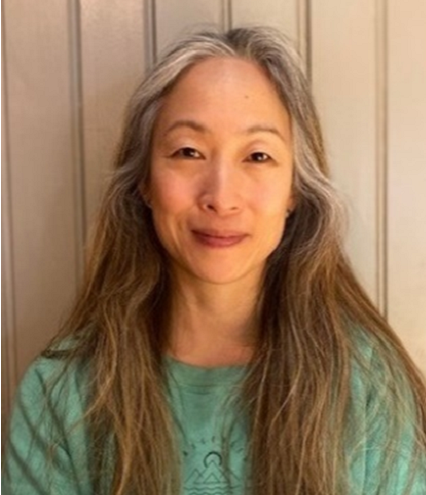
Annie Garrigan is a Pluralistic Counsellor working at UHI Perth and with ESA Scotland. As an advocate of anti-oppressive practice, she has a keen interest on issues of race and intersectionality. Through recent exploration, she regained her passion for painting which was transformative and empowering. She now brings the practice of working therapeutically and collaboratively with creative arts to her support groups and clients.
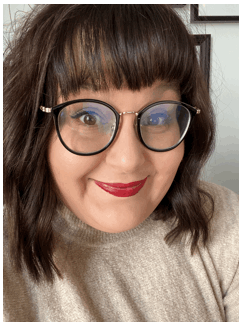
Charlotte Scott is a PhD student at Abertay University and a pluralistically trained counsellor, currently working in private practice.
Charlotte’s research is grounded in a career working in various capacities in the field of Learning Disability support and advocacy. Co-created with a steering group of people with lived experience, her research aims to develop a therapeutic framework for counselling people who have Learning/ Intellectual Disabilities.
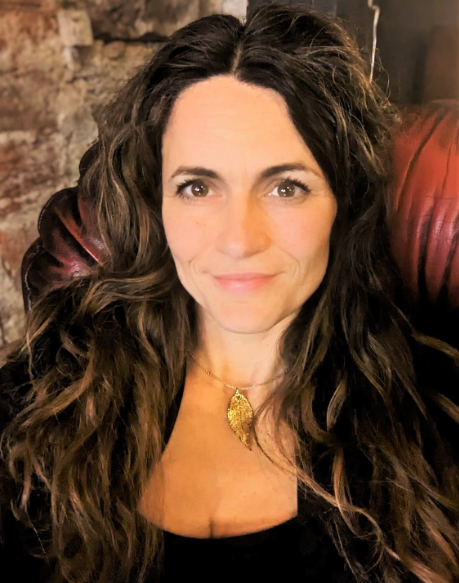
Christine Kupfer is a lecturer in Counselling & Psychotherapy at the University of Abertay, Scotland, and works as a pluralistic therapist (MBACP). Her background and degrees (Masters, PhD) are in counselling, social and medical anthropology, education sciences, and psychology. Her research projects include a study on children’s mental health in India, a citizen science project on depression, ethnographic work with Ayurveda patients to understand their conceptualisations of health and healing, research on Rabindranath Tagore, and an ongoing project on the “Dark Side of Meditation”. She has published a monograph and many articles and is currently co-authoring a book titled Pluralistic Therapy: 100 Key Points and Techniques.
Danielle is a pluralistic therapist and has a number of specialist areas including working with neurodivergent clients, eating difficulties, bereavement, and children and young people. Danielle runs a successful nature-based and equine facilitated therapy Community Interest Company in Derby in England, supervising a number of staff.
Danielle Mills initially trained as an integrative therapist and went on to train in Equine-Facilitated Psychotherapy and Learning (EFP/L) with LEAP Equine. Danielle has developed her training through The HERD Institute, where she is now a faculty member and delivers the UK training for EFP/L. Danielle has recently completed an MSc in pluralistic counselling and psychotherapy through IICP; she incorporates this approach into her equine work. Danielle has a PhD in nursing studies from the University of Nottingham and works as an associate academic for both the University of Derby and the Institute of Integrative Counselling and Psychotherapy.
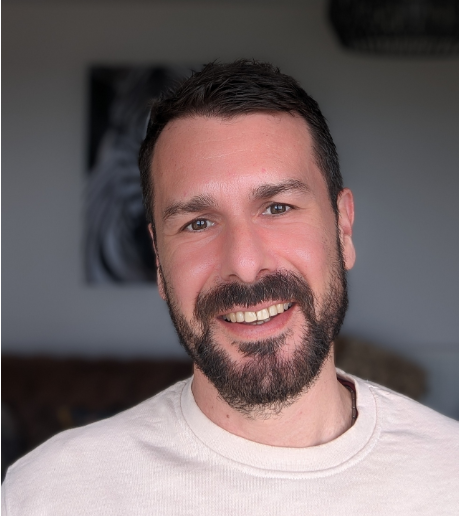
My name is David Sanmartino; originally from Spain, but Scotland is home now. My first degree was in Drama, and after working in the theatre for four years, I returned to the university to study psychology. I have a clinical background in Health Psychology, CBT, and Forensic Psychology, but my values and working ethics align with humanistic theories. My main interest in the field of mental health is working with complex trauma from a multi-theoretical and multi-disciplinary perspective. For this reason, I decided to return to the university and study for an MSc in Counselling pluralistic approach at Abertay University in Scotland. The depth of the relationship with clients, putting their needs and preferences first, and a collaborative working perspective have always been priorities to me.
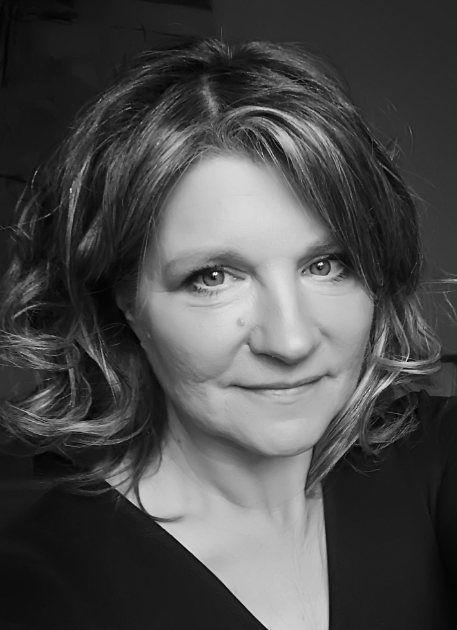
Kate Smith PhD. is an academic at Abertay University in Scotland where she oversees the MSc in Pluralistic Therapy and the Tayside Centre for Counselling. She has led a number of initiatives within the pluralistic practice community, as well as being the co-author of The Pluralistic Therapy Primer, 50 Frequently Asked Questions in Pluralistic Therapy, and a co-Editor in Chief of the Pluralistic Practice Journal.
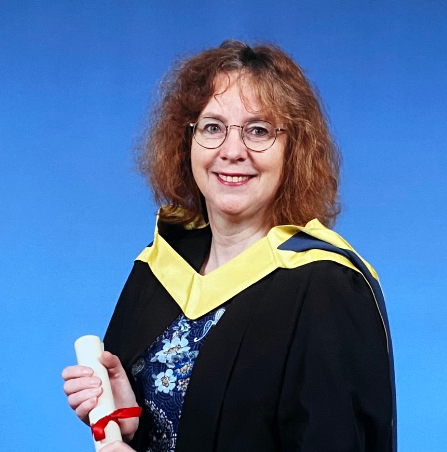
Elise is a first year PhD student at Abertay university – her research topic is ‘Counselling clients living in poverty/financial hardship’ with a particular focus on the client voice. Her aim is to situate the research in a local (I.e. Scottish/UK) context, with a view to developing best practice for this client group. The research will be mainly qualitative in nature and the first study is a series of focus groups, partnering with charities who work with clients experiencing financial hardship.
Elise’s reasons for focusing on this client group come from a long-standing interest in social justice, and in particular her work with the Stirling food bank where she has been involved as a volunteer and trustee since 2017. She is also a BACP registered counsellor (having graduated in 2022 in the Pluralistic Counselling MSc at Abertay) and has a small counselling practice working mainly with clients of local third sector organisations.
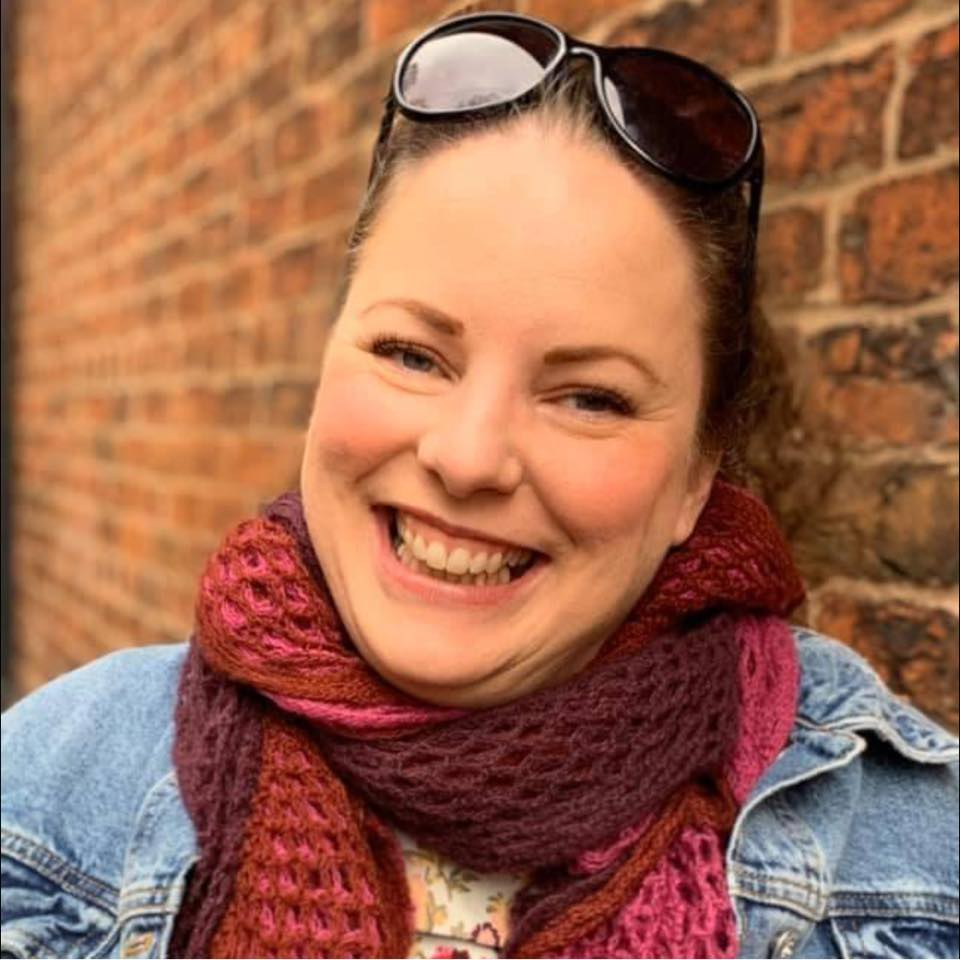
Fleur Farish-Edwards is an experienced counsellor and supervisor, and along with her wife, facilitates creative workshops as “Two Birds Therapy”. Fleur is also a university lecturer in counselling and is currently working on a professional doctorate, researching the life-long impact of adoption on adult adoptees. Fleur works creatively and collaboratively with clients, supervisees and students, and holds person-centred and pluralistic practice at the heart of everything she does.
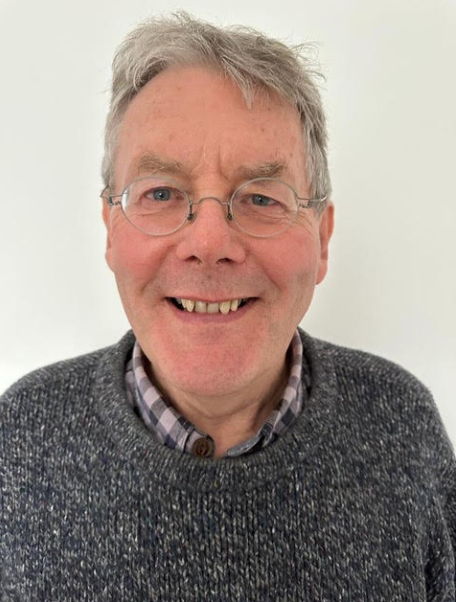
John McLeod is Visiting Professor of Counselling at the Institute for Integrative Counselling and Psychotherapy, Dublin, and Emeritus Professor, Abertay University. He has been closely involved in the development of pluralistic therapy, as well as publishing widely on a wide range of aspects of counselling and psychotherapy research and practice. He lives in Dundee, Scotland.
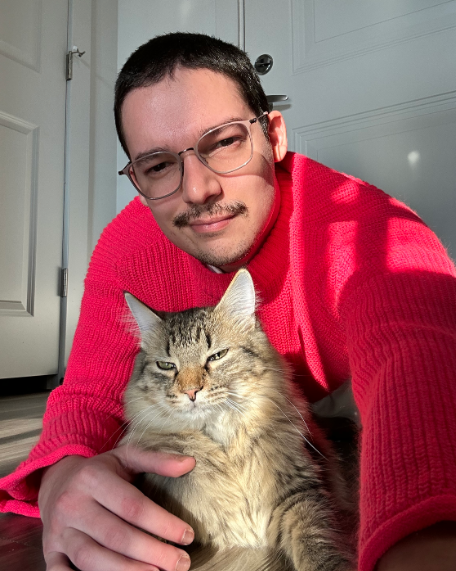
José Francisco Avilés-Acosta, PsyD (elle/they) is a bilingual, non-binary, Boricua, and Clinical Psychologist licensed in the state of Ohio, U.S.A. They are the Diversity, Equity, and Inclusion Clinical Services Coordinator and a Staff Psychologist for the University of Cincinnati’s Counseling and Psychological Services. They have spearheaded interdisciplinary training programs focused on cultural responsiveness and the integration of social justice in therapies with marginalized identities. They have presented on working with intercultural non-monogamies and immigrants from an ecosystemic and multidimensional focus. They live in Cincinnati with their nesting partner and two cats.
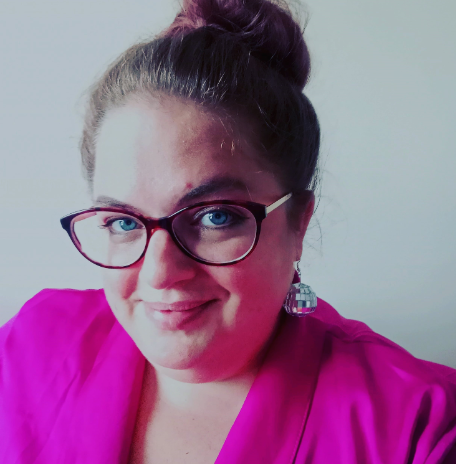
Mel Ciavucco is a writer, trainer and group facilitator, and has just qualified as an Integrative Pluralistic counsellor. Mel’s passions and experiences lie in eating disorders, body image and weight stigma, as well as in her group work with perpetrators of domestic abuse. She was published in Therapy Today with an article about fatphobia (June 2021 edition) and she writes about disordered eating, weight stigma, class, and more on her website.
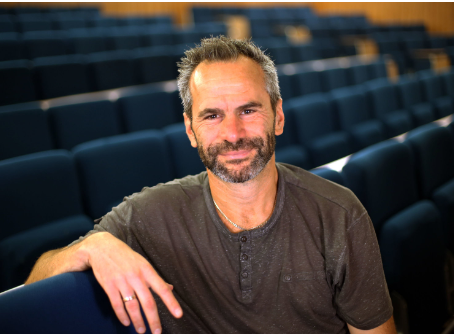
Mick Cooper is an internationally recognised author, trainer, and consultant in the field of humanistic, existential, and pluralistic therapies. He is a Chartered Psychologist, and Professor of Counselling Psychology at the University of Roehampton.
Mick has facilitated workshops and lectures around the world, including New Zealand, Lithuania, and Florida.
Mick’s books include Existential Therapies (Sage, 2017), Working at Relational Depth in Counselling and Psychotherapy (Sage, 2018), and The Handbook of Person-Centred Psychotherapy and Counselling (Palgrave, 2013).
His latest work is Integrating Counselling and Psychotherapy: Directionality, Synergy, and Social Change (Sage, 2019).
Mick’s principal areas of research have been in shared decision-making/personalising therapy, and counselling for young people in schools.
In 2014, Mick received the Carmi Harari Mid-Career Award from Division 32 of the American Psychological Association. He is a Fellow of the British Association for Counselling and Psychotherapy and the Academy of Social Sciences.
Naomi Moller is Professor of Psychology and Psychotherapy and Head of Discipline at The Open University. Current elected President of the UK Chapter of the Society for Psychotherapy Research, Naomi is a psychotherapy researcher with over 25 years of research engagement, and over 45 published peer-reviewed papers and book chapters, as well as two edited books. During the pandemic she co-authored an online CPD course to support counsellors transitioning to online working which has had over 24,000 users.
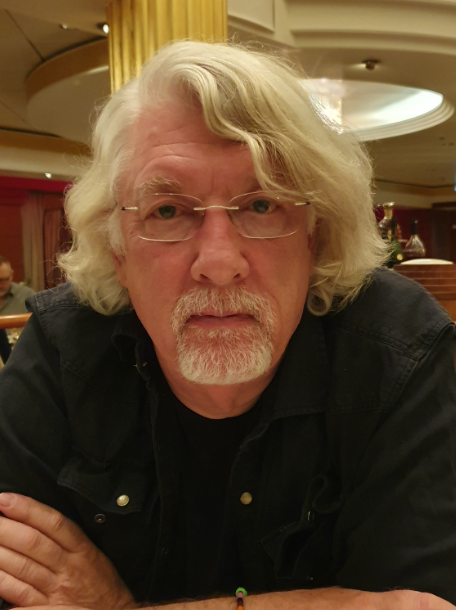
Rolf Sundet is specialist in clinical psychology and professor emeritus at the University College of Southeast Norway, Drammen, Norway. He is also a freelance supervisor and consultant. He has published in both English and Scandinavian books and journals. A special interest is in perspectives on returning to the real as a necessary focus in therapeutic practices and conceptualisations.
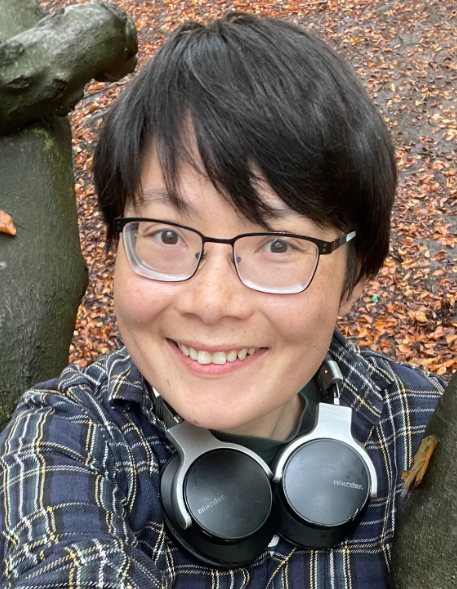
Sonny Hallett is a counsellor, trainer, and co-founder of AMASE (Autistic Mutual Aid Society Edinburgh). They have co-authored research on autism and mental health, experiences of counselling, autistic community and peer support, and work predominantly with neurodivergent and queer clients. They are also neurodivergent, trans and mixed race.
They are particularly interested in how counselling can be made to better suit divergent needs, how to help counsellors expand their sensitivity toward minority experiences and perspectives, and how this greater sensitivity and accessibility can enrich counselling more generally.
They also have a keen interest in nature and ecotherapy; the ways in which a relationship with the land, and the environment, can connect with our sense of ourselves.
They work in private practice in Edinburgh.
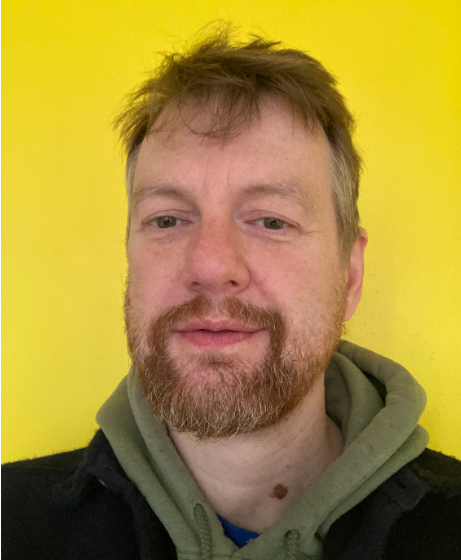
Terry Hanley is a Professor in Counselling Psychology at the University of Manchester. He is a HCPC Registered Counselling Psychologist and a Fellow of both the BPS and the Higher Education Academy. He is editor of The SAGE Handbook of Counselling and Psychotherapy (Sage, 2017), co-author of Introducing Counselling and Psychotherapy Research (Sage, 2013) and lead editor of text Adolescent Counselling Psychology (Routledge, 2013). He has been researching web-based therapy with children and young people for over 20 years and has a growing interest in the use of artificial intelligence in the caring professions.